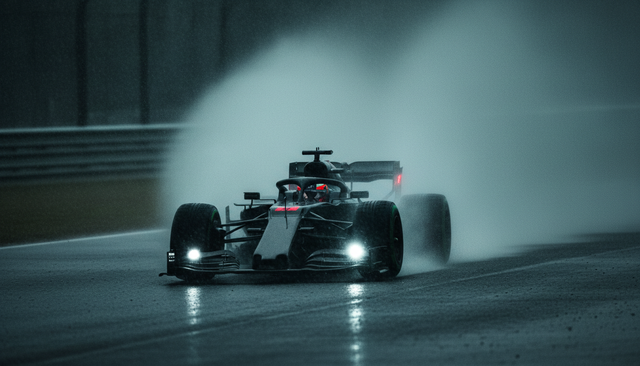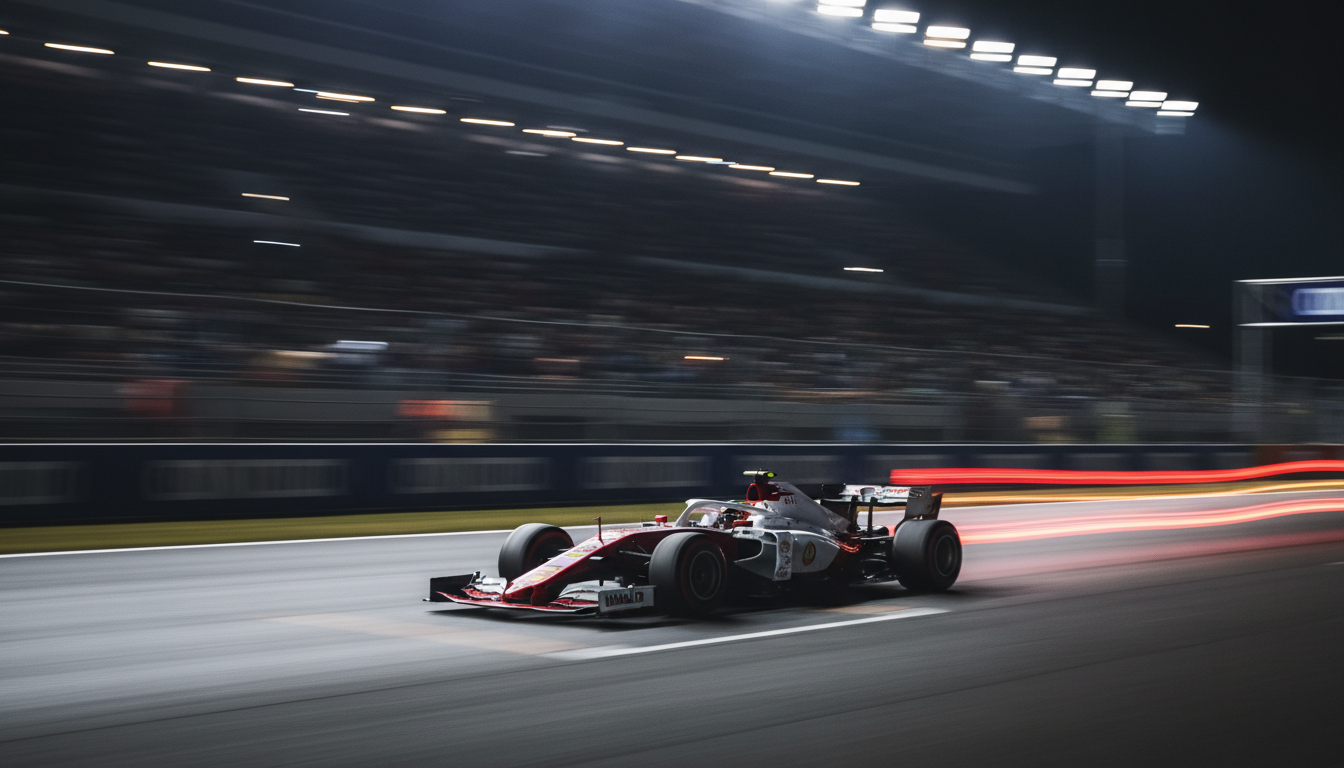
In a season that has already seen its fair share of high‑octane battles, the opening round at Bahrain stood out not for speed but for its sluggish pace. According to a comprehensive breakdown by The Race, the 2026 Bahrain Grand Prix became the slowest race in Formula 1 history, with an average lap time that fell well below the 2025 benchmark.
Key Factors Behind the Drag
Three main elements converged to create the unusually slow contest. First, the track’s newly introduced high‑drag aero package forced teams to sacrifice speed for stability, resulting in a 1.8‑second per lap penalty across the grid. Second, a sudden shift to a cooler, mist‑laden morning dampened the tires’ grip, pushing the top speeds down by an average of 12 km/h. Finally, a series of safety car interventions—triggered by a mid‑race collision—cut the race into three 15‑minute stints, effectively halving the overall average lap time.
Driver and Team Reactions
While the slow pace disappointed fans, drivers and teams acknowledged the strategic learning curve. Fernando Alonso noted that the new aero package “has forced us to rethink our approach to cornering.” Meanwhile, Mercedes’ Toto Wolff highlighted the importance of data collection, stating that the race “provides a wealth of information on how the cars behave under low‑speed conditions.”
For India: Timing, Coverage and What to Expect
The Bahrain Grand Prix took place from 11:00 GMT to 15:00 GMT, which translates to 16:30 IST to 20:30 IST. Indian viewers can catch the live action on FanCode, where the race will be streamed in full with commentary in Hindi and English. Given the record‑slow nature of the race, fans can expect a tighter, more strategic battle, with teams focusing on tire preservation and pit‑stop timing rather than outright speed.
Source: The Race